

Member Spotlight: Aaron Peterson
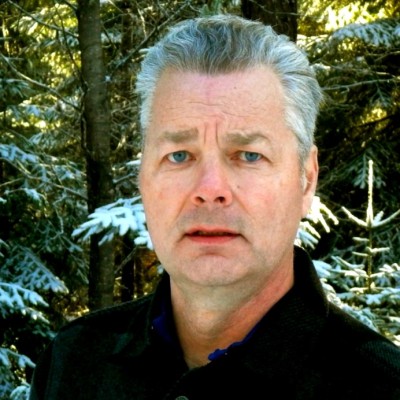
This month, the Solar Washington Board of Directors appointed a new board member, Aaron Peterson. We interviewed him to get to know him better.
Read more
March 04, 2026
Member Spotlight: Elijah Selman
We interviewed new Solar Washington board member Elijah Selman about his experience in the solar field.
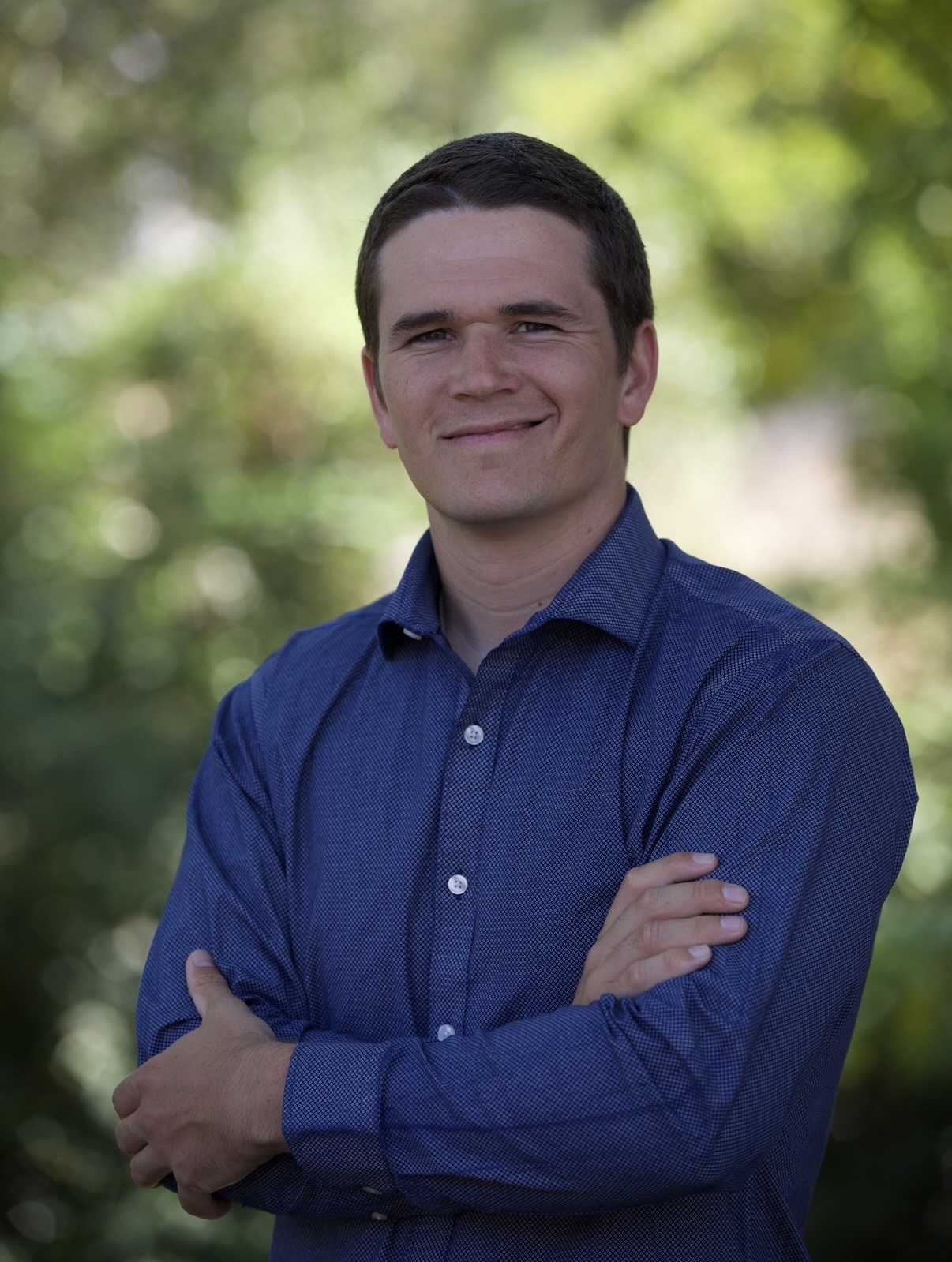
Solar Washington: When, how, and/or why did you become interested in solar?
Elijah Selman: My initial introduction to the solar industry came through family friends and professional connections. In my early twenties, I was looking for a career path that would be both rewarding and fulfilling, so I decided to jump headfirst into renewables...
Read more
February 04, 2026
Member Spotlight: Dave Warren
We interviewed new Solar Washington board member Dave Warren about his vast experience with solar energy in Washington State.
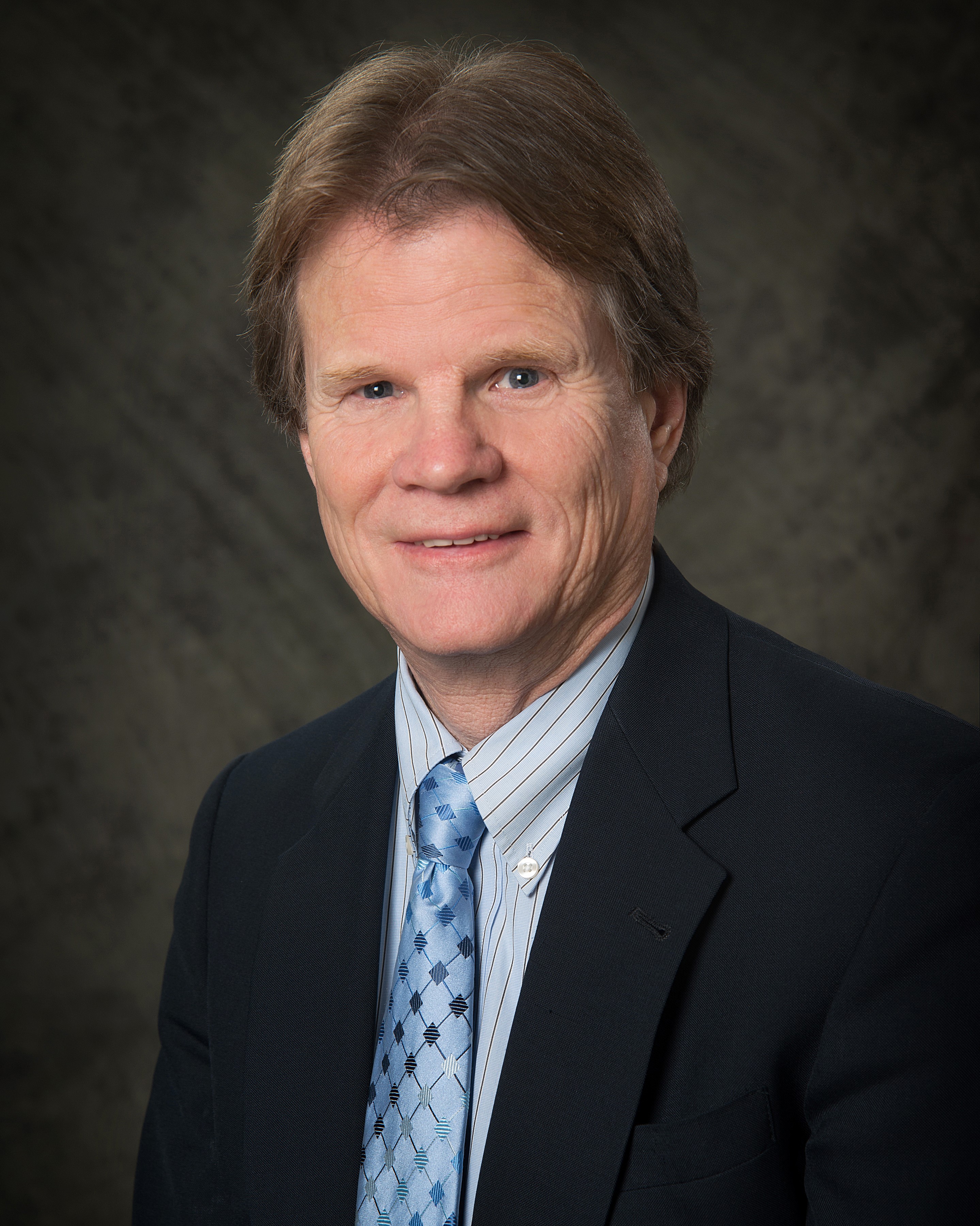
Solar Washington: When, how, and/or why did you become interested in solar?
Dave Warren: Many years ago, wearing another hat in New Mexico, looking at an application for a natural gas peaking unit. I realized that solar could play some role in offsetting some summer afternoon peak. Developed a process (which, unfortunately, was not used at the time - see below about setbacks) where for a small rate collected (25 cents per meter per month), then paid directly for a modular construction process on a utility scale plant. Avoiding debt service cost on a high capital cost project brought the cost down at the time to around 10 cents/kWh (at a time when modules were quite expensive compared to today), while adding modules on a utility scale plant on a consistent basis provided steady work for installers and steady orders of the assembly line for manufacturers. project buildout was slower, of course, but avoiding debt to finance a project.
Read more
February 04, 2026
Member Spotlight: Rachel Gates
We interviewed new Solar Washington board member Rachel Gates about her experiences with solar and the solar industry.
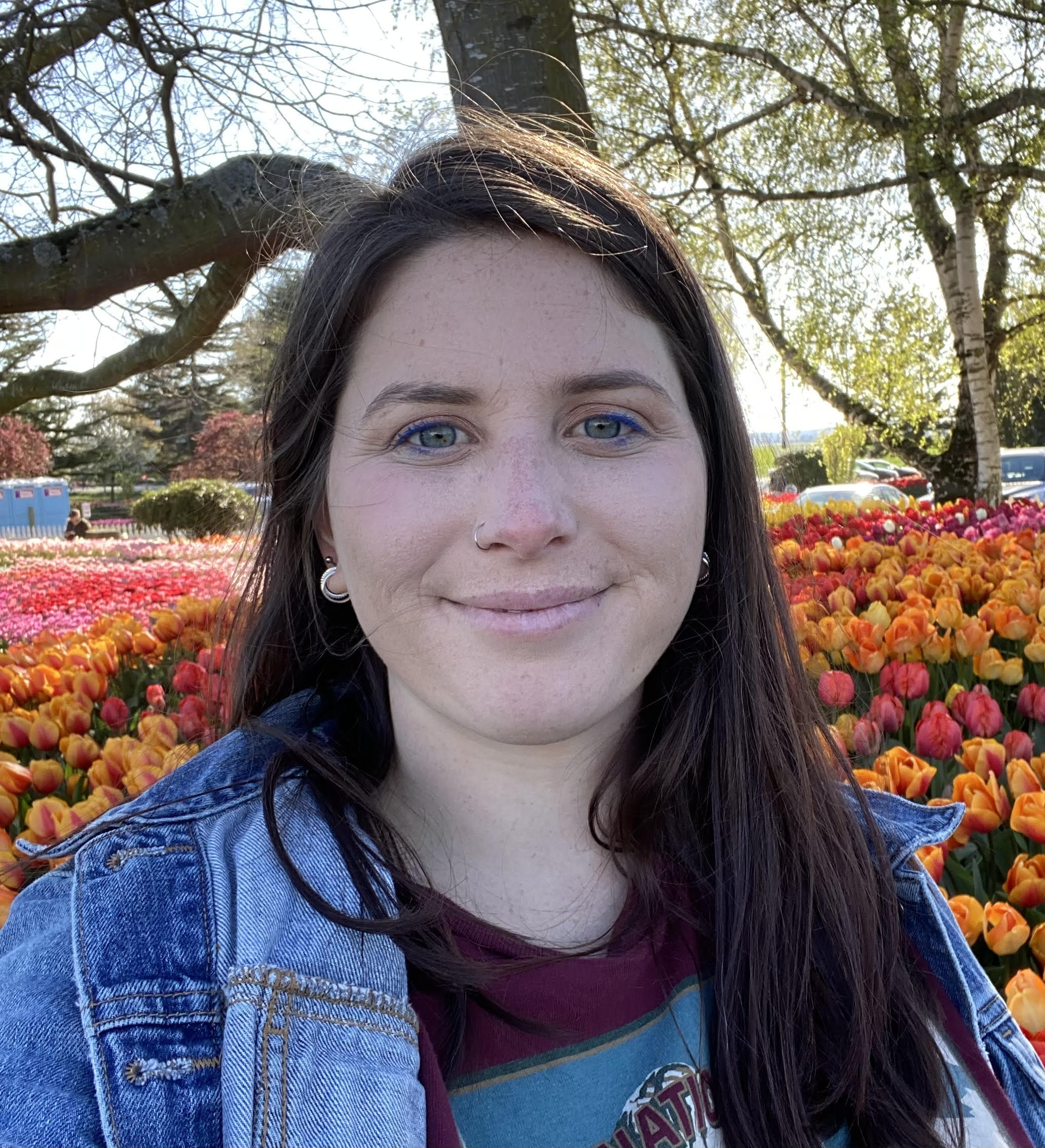
Solar Washington: When, how, and/or why did you become interested in solar?
Rachel Gates: I think my first experience truly working on a solar project was earlier this year in my job. I managed a solar and battery energy storage system project for the Port Gambles S’Klallam Tribe’s clinic. And throughout that process, I learned a lot about project management by working with installers. I've been taking a lot of solar installation courses to get more knowledge for my job, which is actually pretty wide-ranging, all things energy-related.
Read more
February 04, 2026
Member Spotlight: Zoilo Sotero
We interviewed new Solar Washington member and Solar Summit volunteer Zoilo Sotero this month.
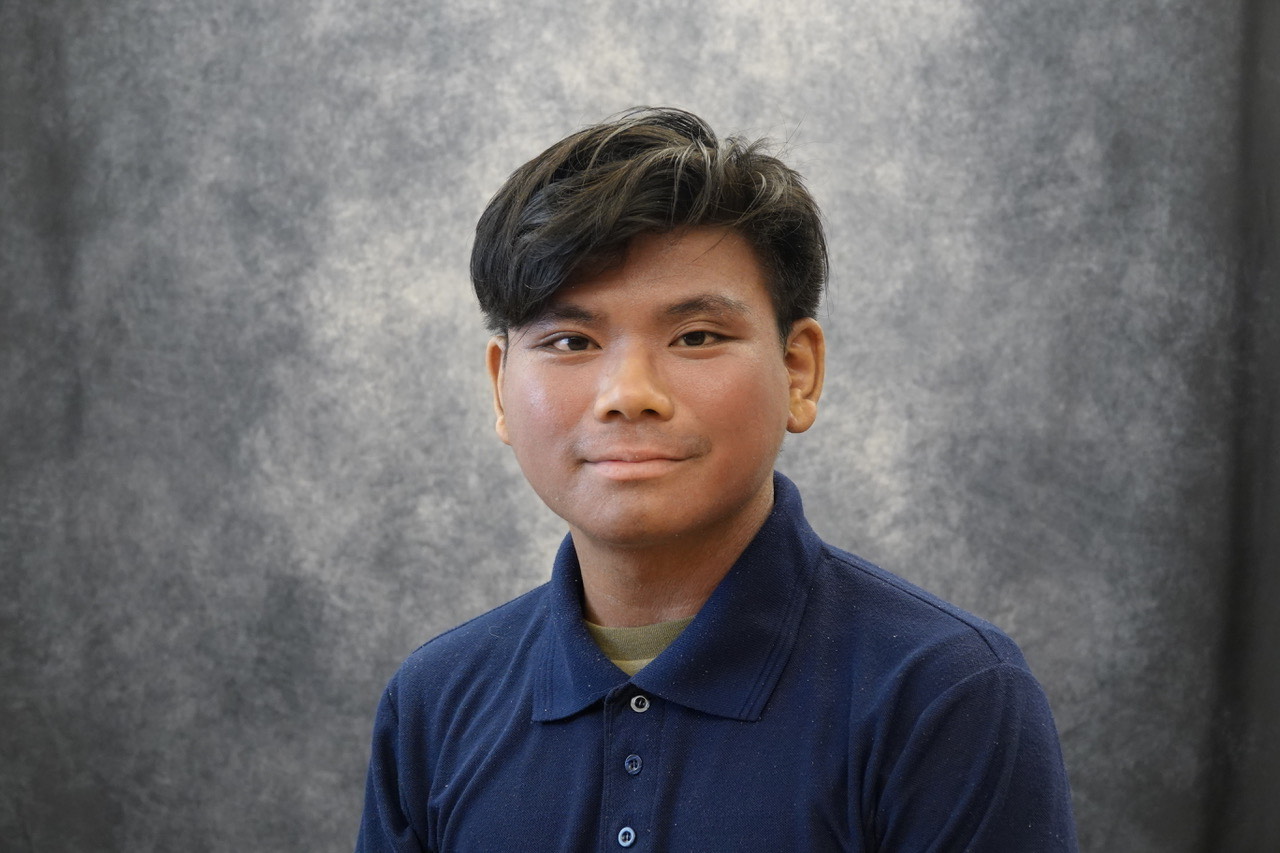
Solar Washington: When, how and/or why did you become interested in solar? Tell us about any specific experiences with solar.
Zoilo Sotero: My interest was sparked in Environmental Science coursework, where we explored renewable energy and its role in addressing environmental racism. The idea of harnessing the sun’s energy for energy independence in historically marginalized homes and communities, fascinated me. I saw how science made a real difference in West Seattle. Our efficiency experiments and solar data analysis gave me first-hand experience of how solar technology works.
Read more
December 02, 2025
Member Spotlight: Dan LeFree
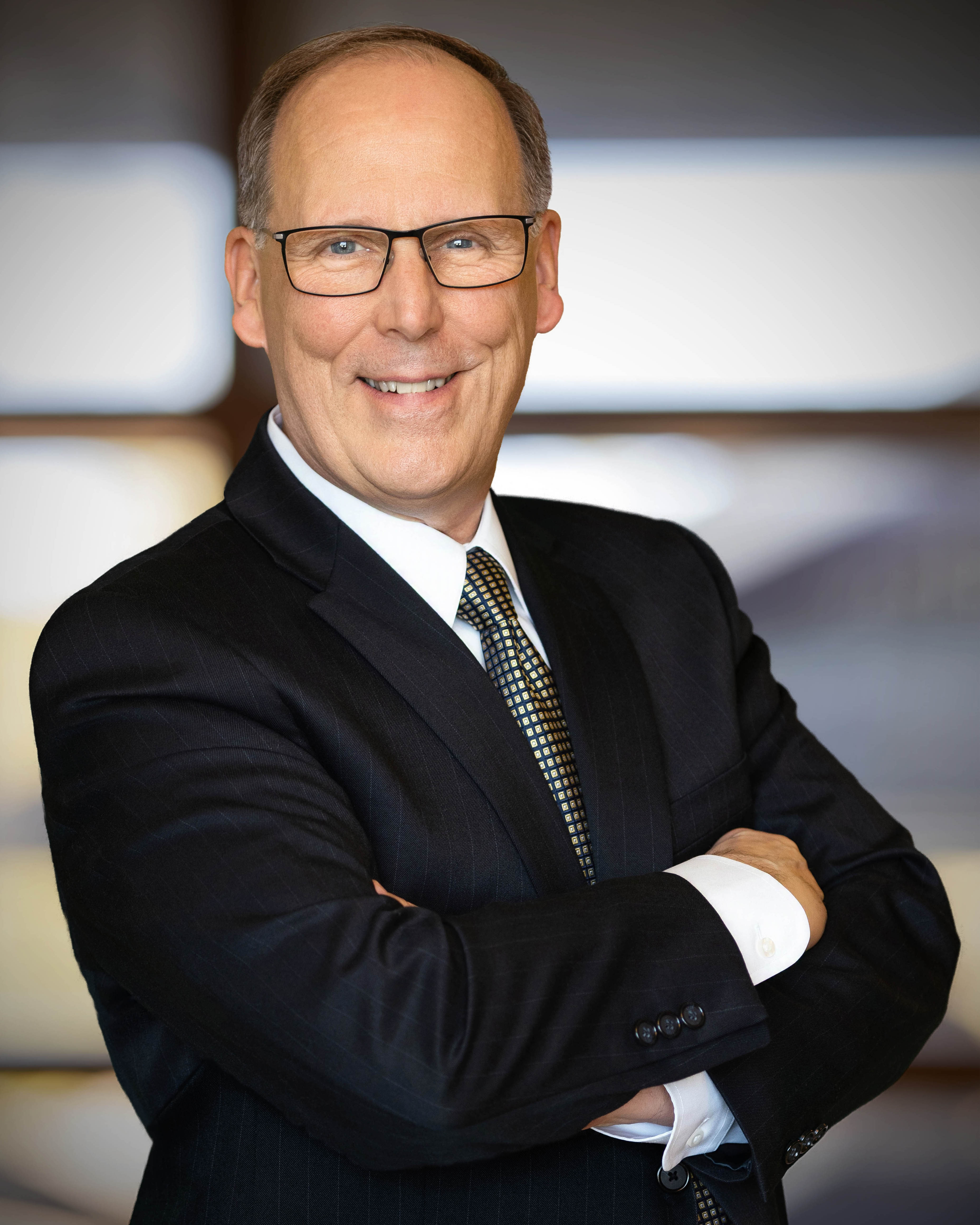 This month, Solar Washington interviewed Dan LeFree, President and CEO of Community 1st Credit Union and Solar Washington Board member.
Solar Washington: How did you become interested in solar?
Dan LeFree: I became interested in solar about a dozen years ago. I was engaged to provide consulting services for a local credit union. Their new CEO wanted to build upon the credit union's green lending program to finance solar, energy storage and other green home improvements and to fight global warming. I helped him to develop fair and transparent lending products that fit the needs of homeowners. When I saw the success of that program I knew that we had developed something really special.
Read more
September 08, 2025
Member Spotlight: Thomas Honles
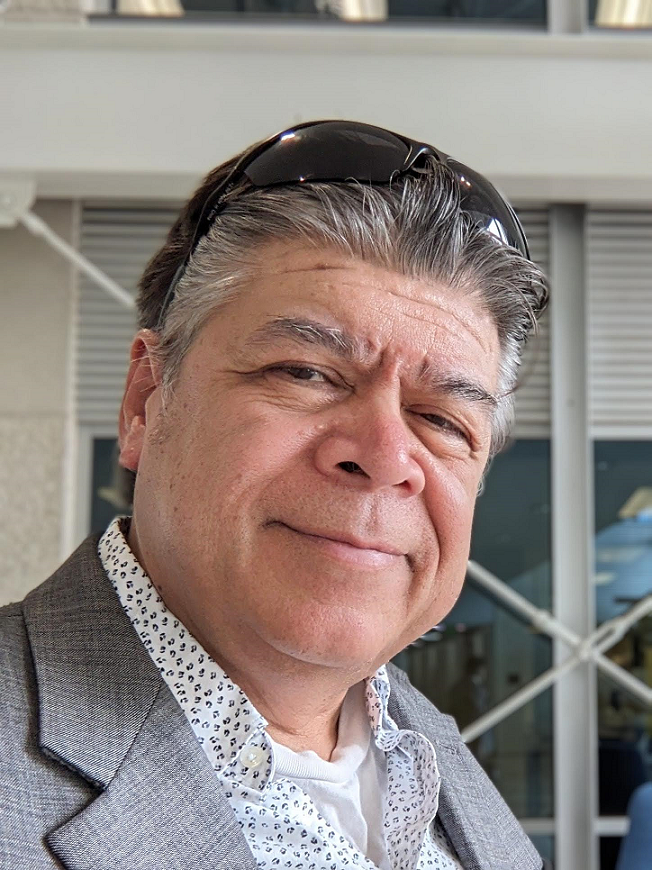 This month, Solar Washington interviewed Thomas Honles, Public Works Engineer with Island County, Washington and Solar Washington Board member.
Solar Washington: How did you become interested in solar?
Tom Honles: Solar energy has been an interest of mine since my youth. My early experiences seeing my Dad waiting in long lines to fill up the gasoline tank in the family car, on the assigned day of the week, at the gas station during the energy crisis in the late 1970s formed my awareness of over reliance on fossil fuels and got me thinking about "sustainability" before that term became common usage. I was eager to learn about the environment, energy sources, and solar energy, such as solar thermal systems used for hot water and also solar photovoltaics used for spacecraft. Incidentally, my amateur interest in astronomy heightened my awareness of the tremendous power of the Sun, and of solar energy. The energy from the sun seemed essentially limitless, and much kinder to the environment than burning fossil fuels like gasoline.
August 07, 2025
Member Spotlight: Christopher Brown
 We interviewed Christopher Brown, partner at Holland & Knight LLP and Board Member of Solar Washington.
Solar Washington: How did you become interested in solar?
Chris Brown: I grew up in Los Angeles and always loved the sun. My family had a small sailboat, and I remember as a kid, on that boat, we had one of those Sun Showers, which was basically a plastic bag that held a few gallons of water. We’d tie it to the deck during the trip out in the ocean, and then anchor, and then we’d go swimming or fishing off the boat, and later we’d have warm water from the Sun Shower to hose off. On those long sail boat trips, it struck me then that the sun was like the wind, because it was always present, and you could use it for different things that are useful.
July 08, 2025
Member Spotlight: Markus Virta
In late May, Solar Washington interviewed Markus Virta, the Managing Partner at Cascadia Renewables and a longtime supporter of Solar Washington.
Solar Washington: How did you become interested in solar?  Markus Virta: My journey into solar energy began with a concern for climate change and a recognition of the role that distributed energy solutions can play in creating a more equitable and resilient power grid.
May 20, 2025
Member Spotlight: Dever Haffner-Ratliffe
 In late April, Solar Washington interviewed Dever Haffner-Ratliffe, a Solar Washington member who is vice-president of the association. Dever, who now works for a public utility district, shared her insights and experiences as a long-time leader and participant in the clean energy scene in Washington.
Dever Haffner-Ratliffe: I literally grew up in the solar industry. My family started a solar installation company in 2007, when I was in high school. Like many small, family businesses, it was an all-hands effort. I began having to answer the home phone professionally because it was our original business phone as well.
May 01, 2025