


Plummeting Solar Panel Prices Hardly Reduce Costs – Solar is Still Worth It
The cost of solar panels has dropped more than 65 percent over the past 15 years, making them far more affordable. The total cost of installing solar panels has actually risen a little, though, due to higher costs of labor and other components. Still, installing solar is worth it.
Cost of Solar and Breakeven
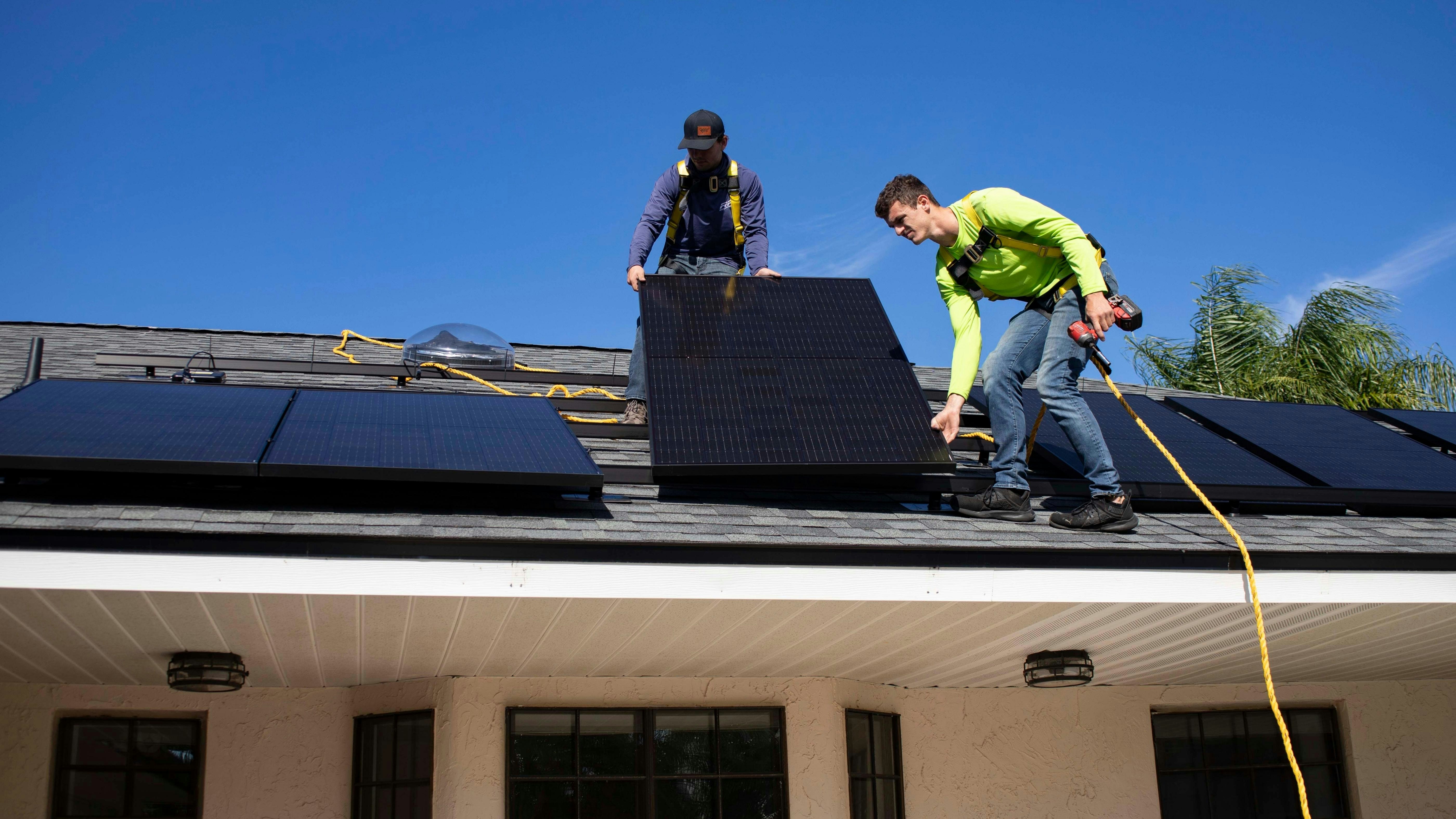
Even though the cost per watt of solar panels has indeed dropped about 65 percent over the past 15 years, according to the Department of Energy, installing solar is not inexpensive. Solar panels are less than a third of the total cost of installation. So even though solar hardware costs have fallen in recent years, soft costs such as labor and overhead represent a growing share of total solar system costs, the US Department of Energy noted.
The average solar panel system installation costs $2.64 per watt in Washington, according to solar marketplace EnergySage. For a 13.68 kW system, which is the average system size in Washington, the total cost would be about $36,123. While it does sound like a lot, homeowners can break even in about 16 years. Since solar panels usually last about 25 years, homeowners can save more than $20,000 over the lifetime of the panels. A smaller system, such as a 5-kilowatt system, would cost about $13,206. “Solar panels are worth it in most areas, including Washington,” EnergySage opined.
Factors that affect the final price of a solar installation include the system size, panel type and efficiency, installation complexity. While putting a battery in adds to the cost, it does provide backup power. A solar power system in Washington can pay for itself over time.
Will Solar work for Your Home
Along with considering the cost of solar, it’s important to look at whether solar energy installation will work at all for your home.
While solar panels are built to work in all climates, the Department of Energy advises that rooftops may not be suitable for solar in some cases. If there are trees near your home that create excessive shade on your roof, for instance, rooftop panels may not be ideal. The size, shape and slope of your roof are also important to consider, as are the age of your roof and how long it will be until it will need a replacement. Typically, solar panels perform best on south-facing roofs with a slope between 15 and 40 degrees.
Homeinspector.org similarly said that although solar panels take a significant initial investment, under the right set of circumstances going solar is an amazing decision. Solar panels can provide a source of free, steady energy for years. Things to consider before you install solar panels on your property include thinking about your energy goals, calculating how much energy you want to create with solar, and deciding whether you want to rely entirely on solar and whether you want to store or sell excess energy. Energy consumption is also a factor.
Solar Calculators
Once you review the key factors for installation, you can use guides from a number of sources to obtain estimates of the cost and output.
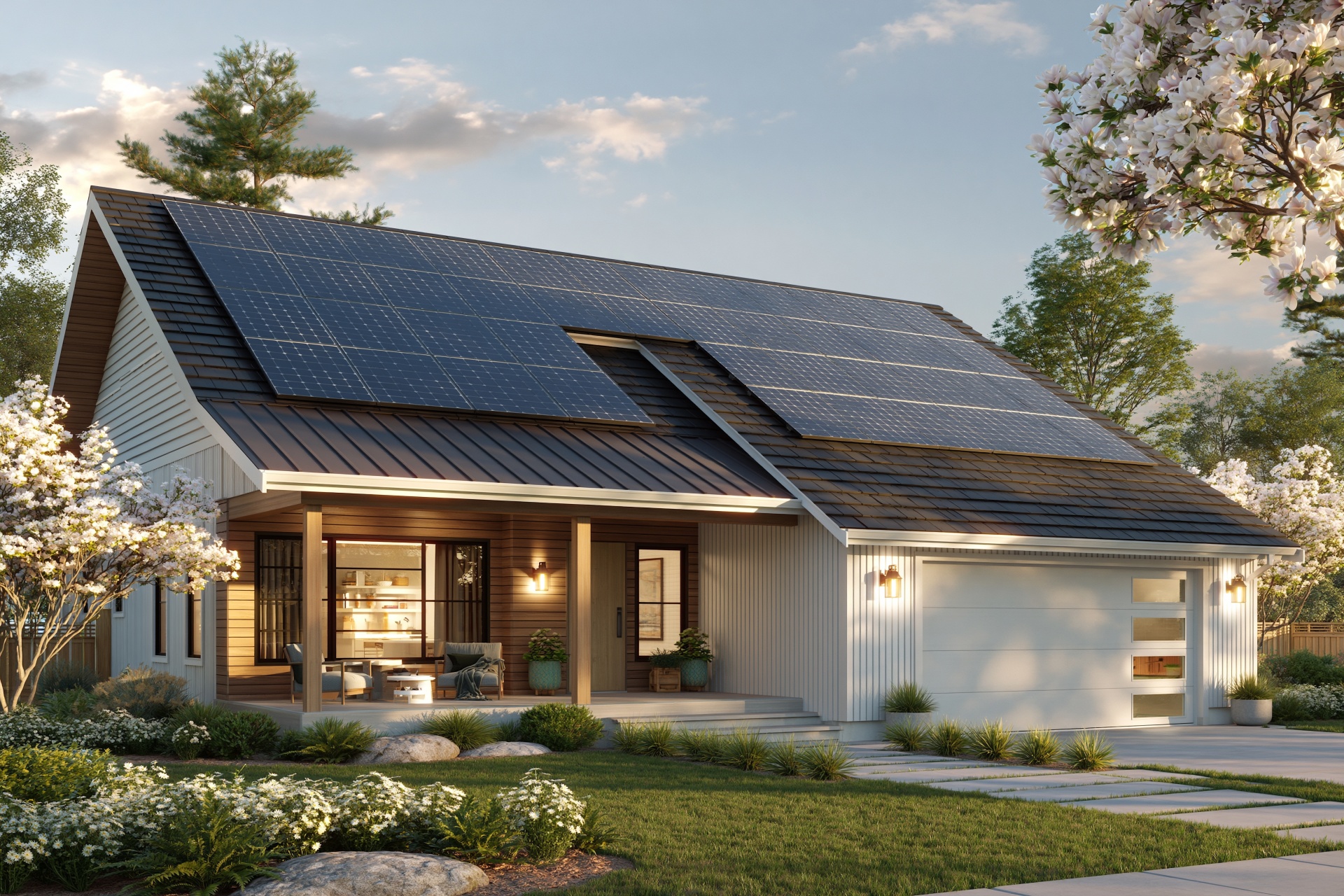
PSE, for instance, has a Personalized Solar Calculator that provides an estimate of system cost and electricity savings. It analyzes factors specific to your property to give realistic projections, using remote sensing technology to analyze your rooftop. You can find out your solar and home battery storage potential based on your rooftop characteristics, electricity use, electricity rates and available tax credits and cash incentives. For one large system that costs $45,500, for example, PSE estimates savings over 20 years at $33,630 and breakeven at 16 years.
Project Sunroof from Google similarly provides estimates. For the house with the large system, above, Sunroof calculated 1,263 hours of usable sunlight per year and $32,000 estimated net savings over 20 years. Google also shows the environmental impact and estimated carbon dioxide reduction of 13.4 metric tons, which is equivalent to 222 tree seedlings grown for 10 years.
Another option is PVWatts, from the National Laboratory of the Rockies. It enables homeowners, business owners and nonprofit organizations to develop estimates of the performance of potential PV installations, based on online maps or user supplied data.
Ways to Save Money
With such hefty costs, it pays to look around for ways to save money.
You can also save money shopping around for quotes from multiple installers, so that you can compare prices. Beyond the price, though, also consider the installer’s reputation and experience. Making sure you get the right size solar system for your needs rather than the biggest one that will fit on your roof, and considering the installer’s reputation, can reduce costs. And once you find an installer, negotiate for price, discounts or promotions.
Washington provides sales tax exemption for solar energy systems such as rooftop solar panels. The exemption is available through 2029 and can exempt sales taxes for the purchase of machinery, equipment, and installation.
It is also important to understand that utilities will usually pay you for excess electricity that you send back to the grid. On sunny days, a solar system can create an energy surplus and the extra electricity goes back into the utility’s grid via the meter on the side of the house. Most utilities use “net metering” to decide how much you will receive, though the way in which homeowners are paid for the electricity may change.
While the up-front cost of solar may seem high, it’s an investment that can pay off over time.
Showing 1 reaction