

Session 1: Powering Sovereignty: Tribal Clean Energy Case Studies - Student's Takeaway
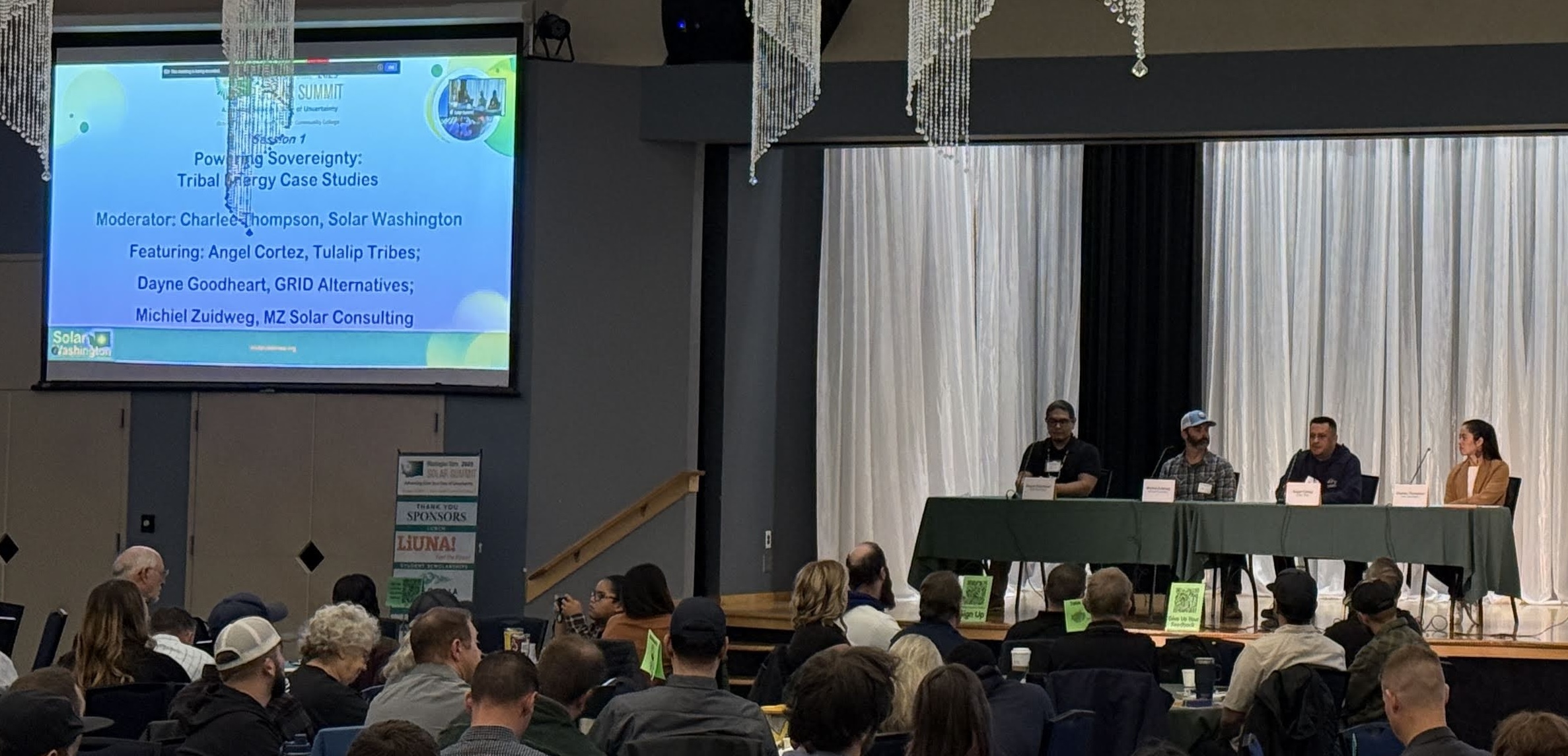
The 2025 Solar Summit was attended/viewed by students and trainees from many universities (University of Washington, Everett Community College, Whitworth University, etc.) and training programs (Sphere 1, Puget Sound Electrical Apprenticeship Program, etc.) thanks in part to our student scholarship sponsor, Cascadia Renewables.
Read more
December 02, 2025
Session 2 - What Remains of Federal and State Financing and Incentives? - Student's Takeaway
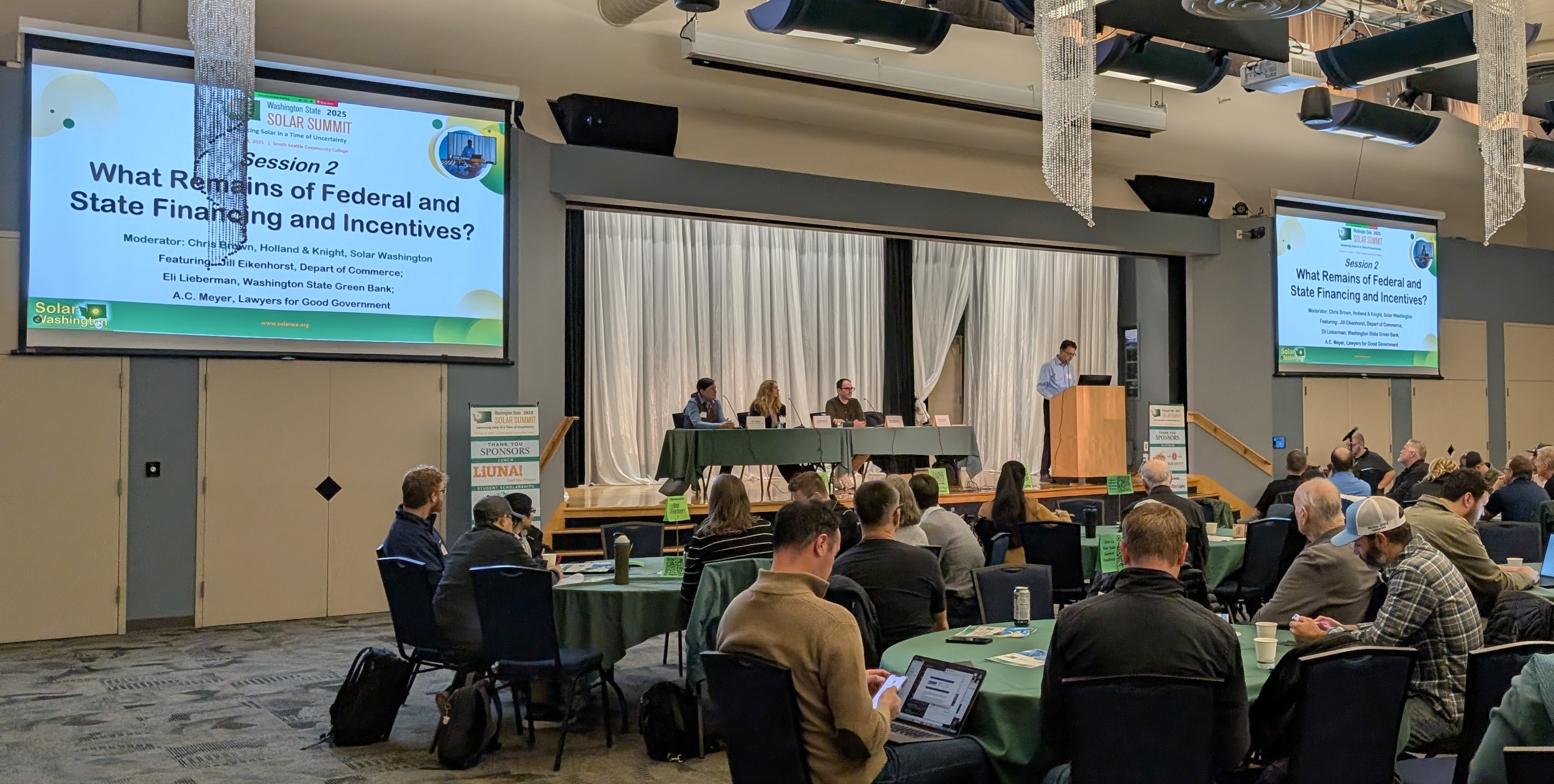
The 2025 Solar Summit was attended/viewed by students and trainees from many universities (University of Washington, Everett Community College, Whitworth University, etc.) and training programs (Sphere 1, Puget Sound Electrical Apprenticeship Program, etc.) thanks in part to our student scholarship sponsor, Cascadia Renewables.
Read more
December 02, 2025
Session 4 - Dual Use Solar - Highlights
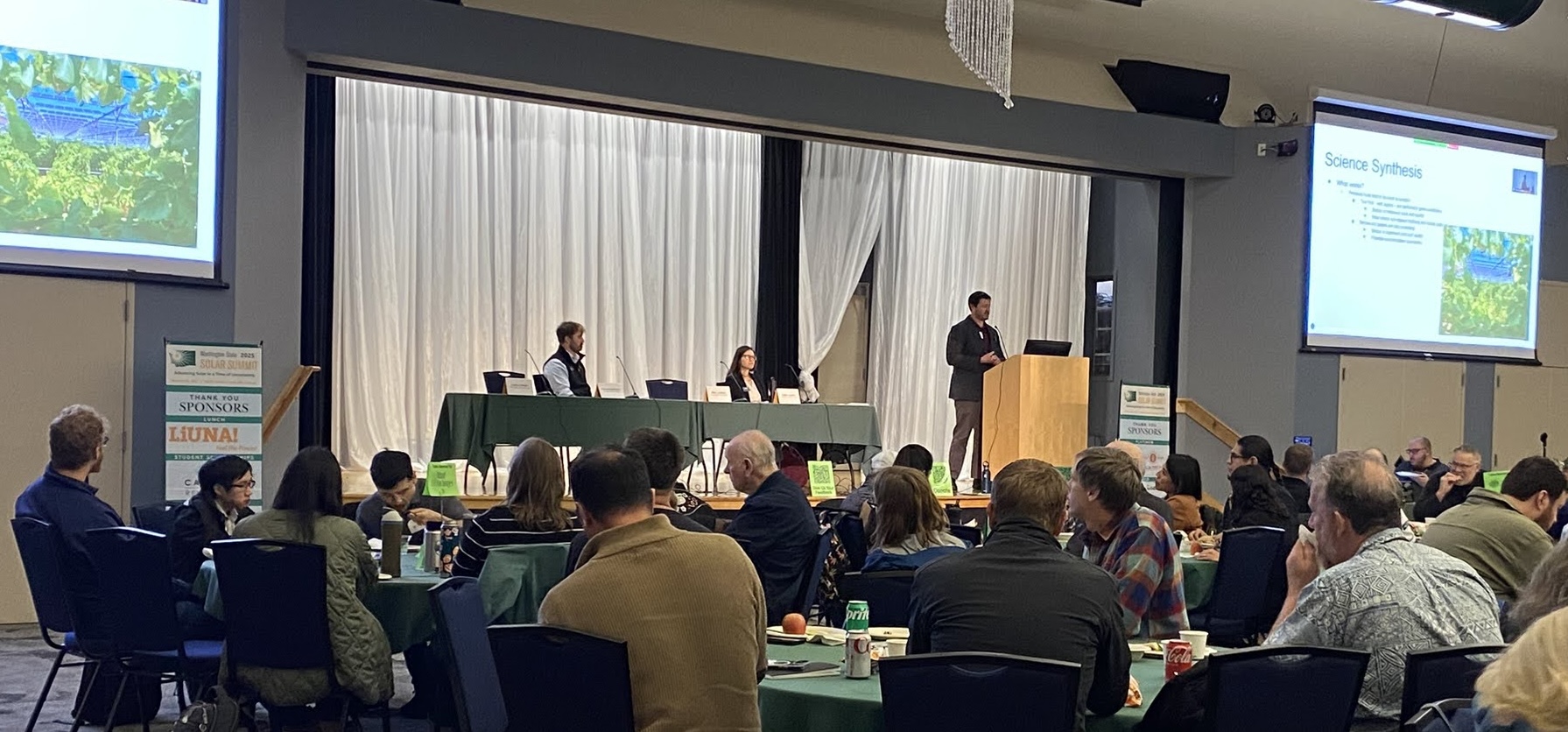
Dual-Use Solar in Washington: How Do You Like Them Apples?
Summary by Whitworth University Communications Student Hannah
This is a discussion from the Solar Summit about agrivoltaics and ecovoltaics, which are dual-use approaches to solar energy that integrate agriculture or ecological benefits within solar panel arrays. Max Lambert, the Director of Science for the Nature Conservancy in Washington, introduces the concept, highlighting the potential for land-sharing approaches to mitigate the land use impacts of greenfield solar energy. The panel explores the science, mapping, and modeling of agrivoltaics in Washington state, with a focus on crops like apples, pears, berries, and vegetables, as well as solar grazing with livestock. Addie Candee from American Farmland Trust shares social science research on farmers’ perspectives of agrivoltaics, emphasizing the importance of communication, trust, and policy incentives to promote its adoption. Callum McSherry from Cascadia Renewables provides insights from a solar professional’s perspective, discussing the challenges and lessons learned from an ecovoltaic pilot project at Eastern Washington University. The discussion covers topics such as fire code and ecology, fencing and microclimates, and construction and soil conditions. The panelists also discuss the needs and opportunities for collaboration to deploy these approaches, the role of dual-use approaches in Washington’s energy future, and the potential for integrating solar with cropping systems.
Read more
November 19, 2025
Session 3 - Community Solar - Highlights
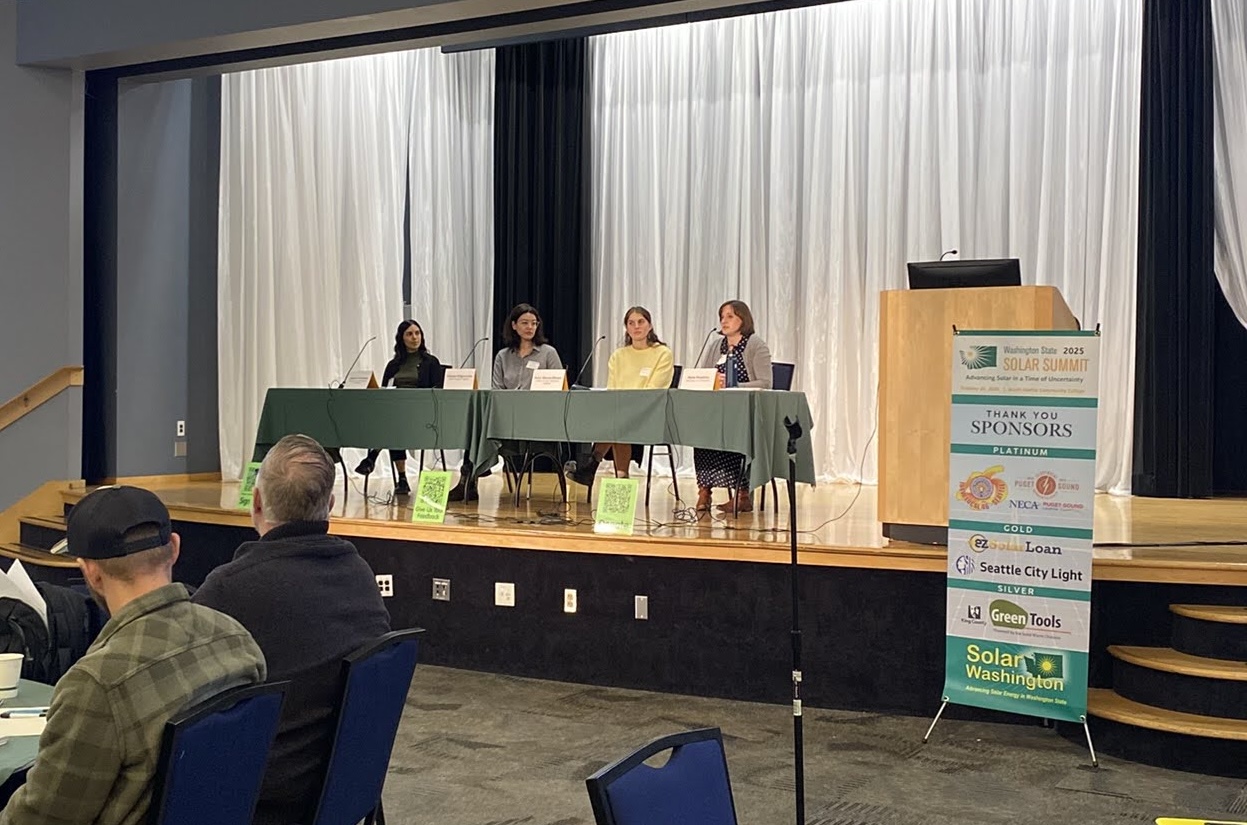
Deconstructing Community Solar in WA for Broader Adoption
Broadening Adoption of Community Solar in Washington
A panel of experts at the Solar Washington Summit in October discussed how community scale projects make solar more accessible and bring value to the distribution grid. They also discussed building awareness for adoption for utilities and how to overcome barriers with local resources.
Panelist Ruby Moore-Bloom is a research analyst at the Clean Energy Transition Institute (CETI), a non-partisan research and analysis organization based in Seattle with a mission to accelerate an equitable clean energy transition in the Northwest. Chelsea Edgecombe is a program coordinator at the Washington State University (WSU) energy program, where she helps administer the community solar expansion program. Jessica Carmona is a senior program manager for the renewables team at the Bonneville Environmental Foundation (BEF). The panel was moderated by Solar Washington board member Nora Hawkins.
Read more
November 19, 2025
Session Recordings
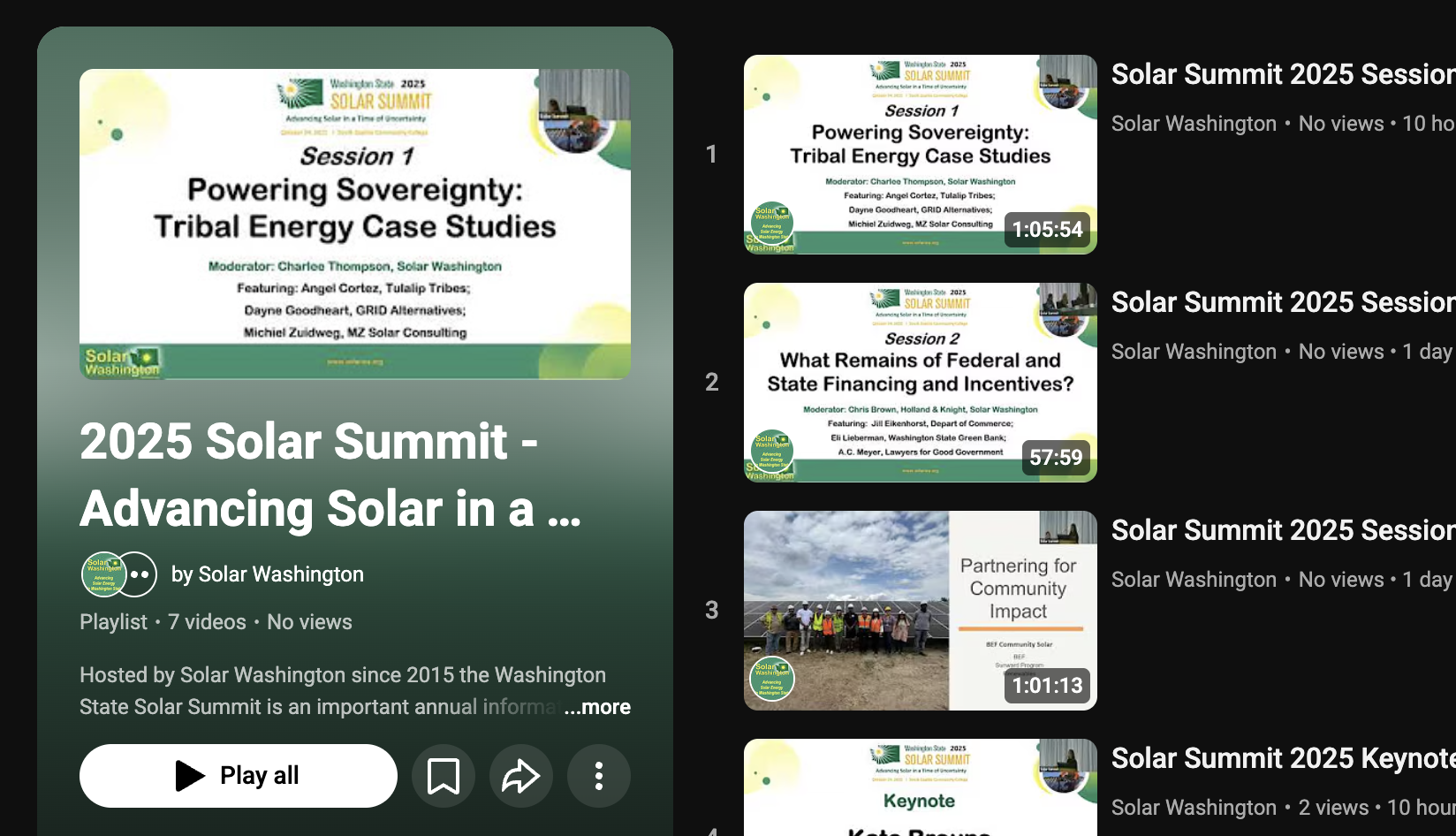

November 19, 2025

20th Solar Summit a Success
Thank you for making the 2025 Solar Summit a success!
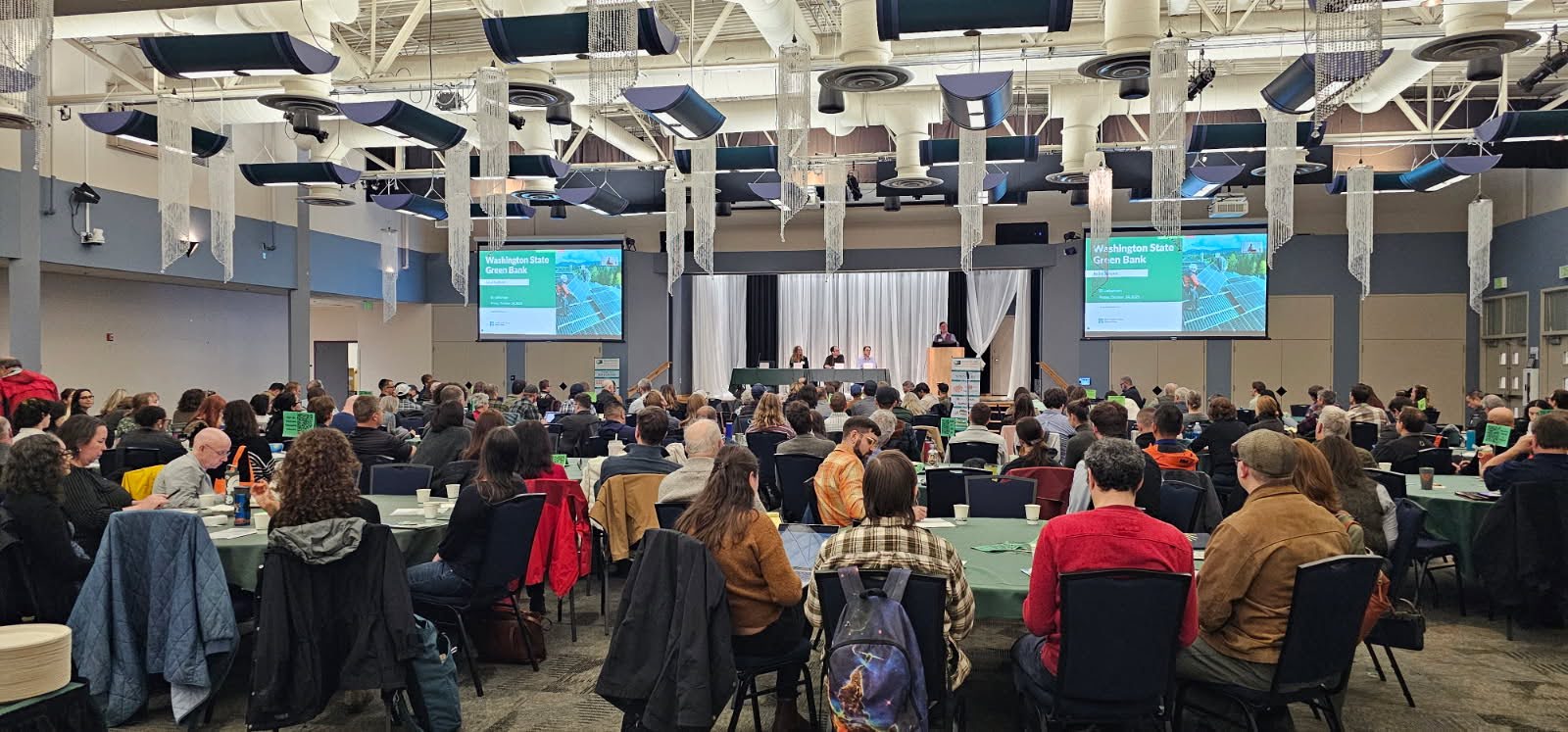
Twenty years of coming together to advance Washington’s solar industry is something we can all be proud of. This year’s Summit, held on October 24 at South Seattle College’s main campus in the Brockey Student Center, brought together more than 230 solar professionals and enthusiasts from across the state.
A special thank-you to our partners — the Puget Sound Electrical Apprenticeship Program, IBEW Local 46, and the Puget Sound Chapter of NECA — for their support in making this event possible.
Read more
November 10, 2025
Session 5 - Microgrids - Highlights
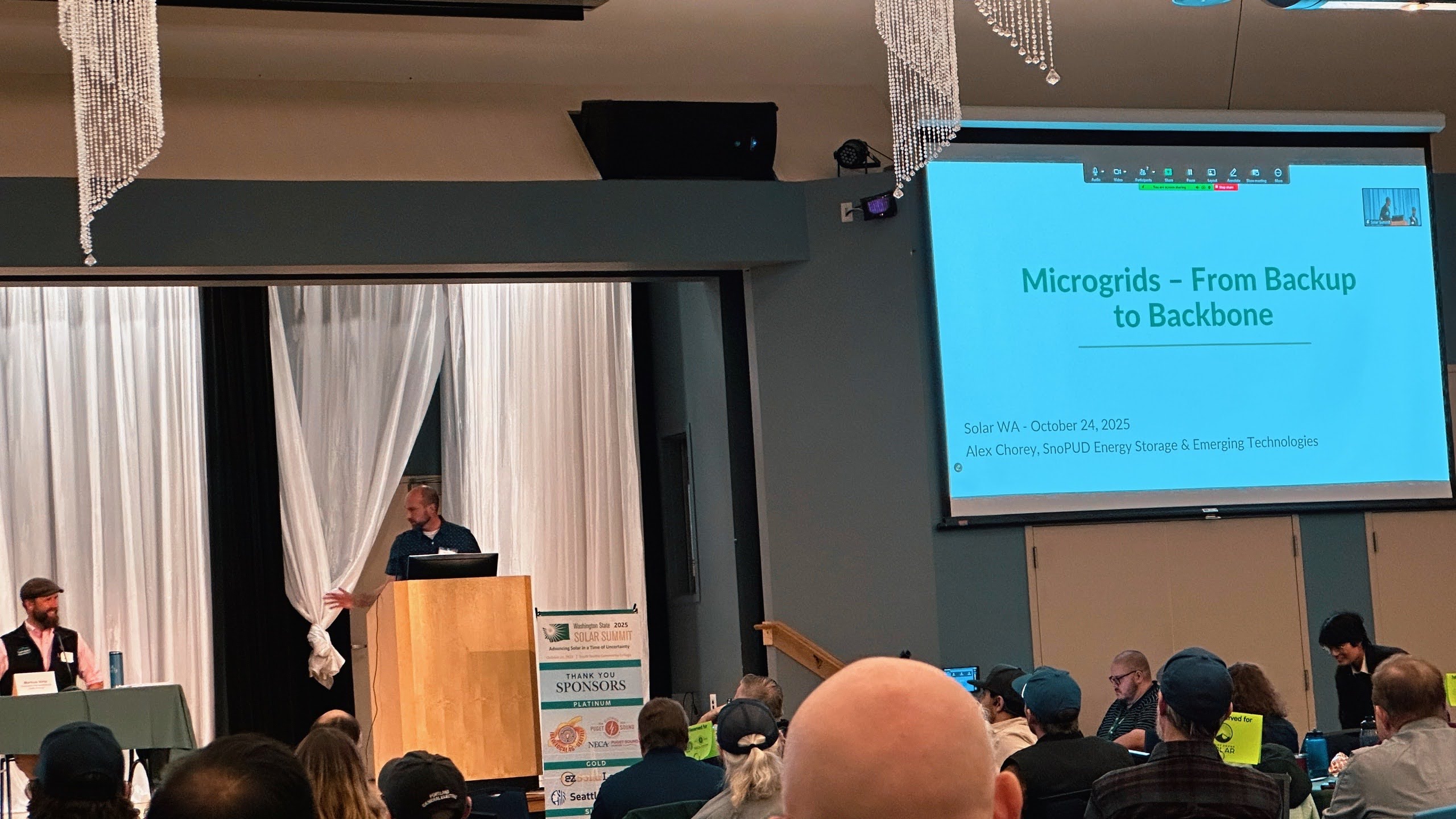
Microgrids Shift from Emergency-Only to Resilience and Modernization
At the Solar Washington Solar Summit on 24 October, a panel of experts explored how microgrids can shift from being emergency-only assets to core tools for delivering community resilience and grid modernization. Four expert panelists examined how utilities, regulators and developers are beginning to grapple with valuing resilience and what’s needed to scale equitable, affordable and reliable microgrid deployment.
Read more
November 08, 2025
Session 6 - Customer Solar on Utility Systems - Highlights
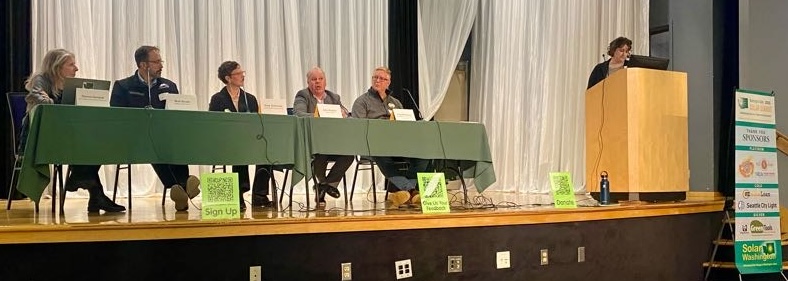
Grid Pro Quo: Valuing Customer Solar on Utility Systems
A panel of experts at the Solar Washington Summit in October discussed how utilities value solar on their systems and the impact of utilities reaching their 4% net metering threshold. They also discussed compliance requirements such as resource adequacy and clean energy.
Read more
November 08, 2025
Keynote Address Highlights
Keynote Address
Kate Brouns, Senior Policy Advisor of Climate and Energy, The Office of the Governor
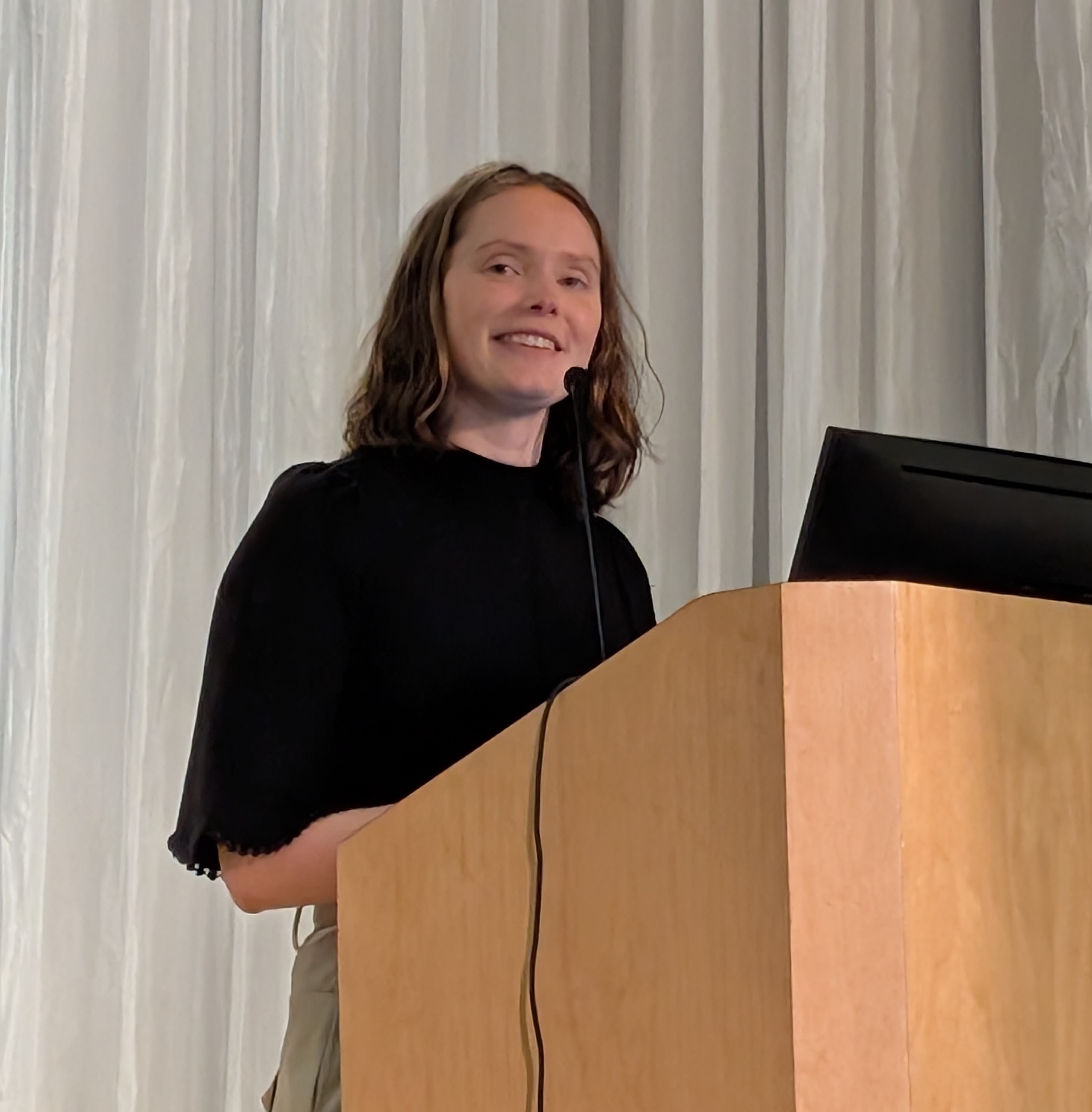
Kate started the keynote by saying she had spent the morning in a meeting with the governor's data center work group, which is taking a hard look at the competing trade-offs of data center growth, energy usage, potential environmental and tribal impacts, and tax incentives. Washington faces enormous load growth challenges, she said. Regionally, the Northwest Power and Conservation Council has projected that data centers and chip fabrication could add an average of 2.2 gigawatts of electricity load in the Pacific Northwest by 2030, though their high growth scenario shows that load increasing by about 4.8 gigawatts.
Read more
November 08, 2025